Thanks, with Relish
What a 2017 barbecue stunt reveals about the strange economics of gratitude in a fractured country
In April 2017, Pepsi pulled a commercial starring Kendall Jenner within 48 hours of its release. The ad had reportedly cost several million dollars to produce. Two months later, Carnival Cruise Line spent a fraction of that on a barbecue and reached 142 million people. The difference between those two outcomes is the subject of this column.
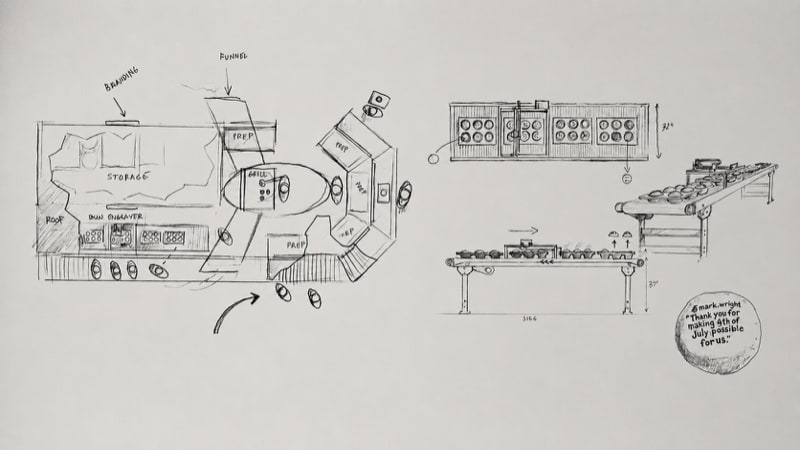
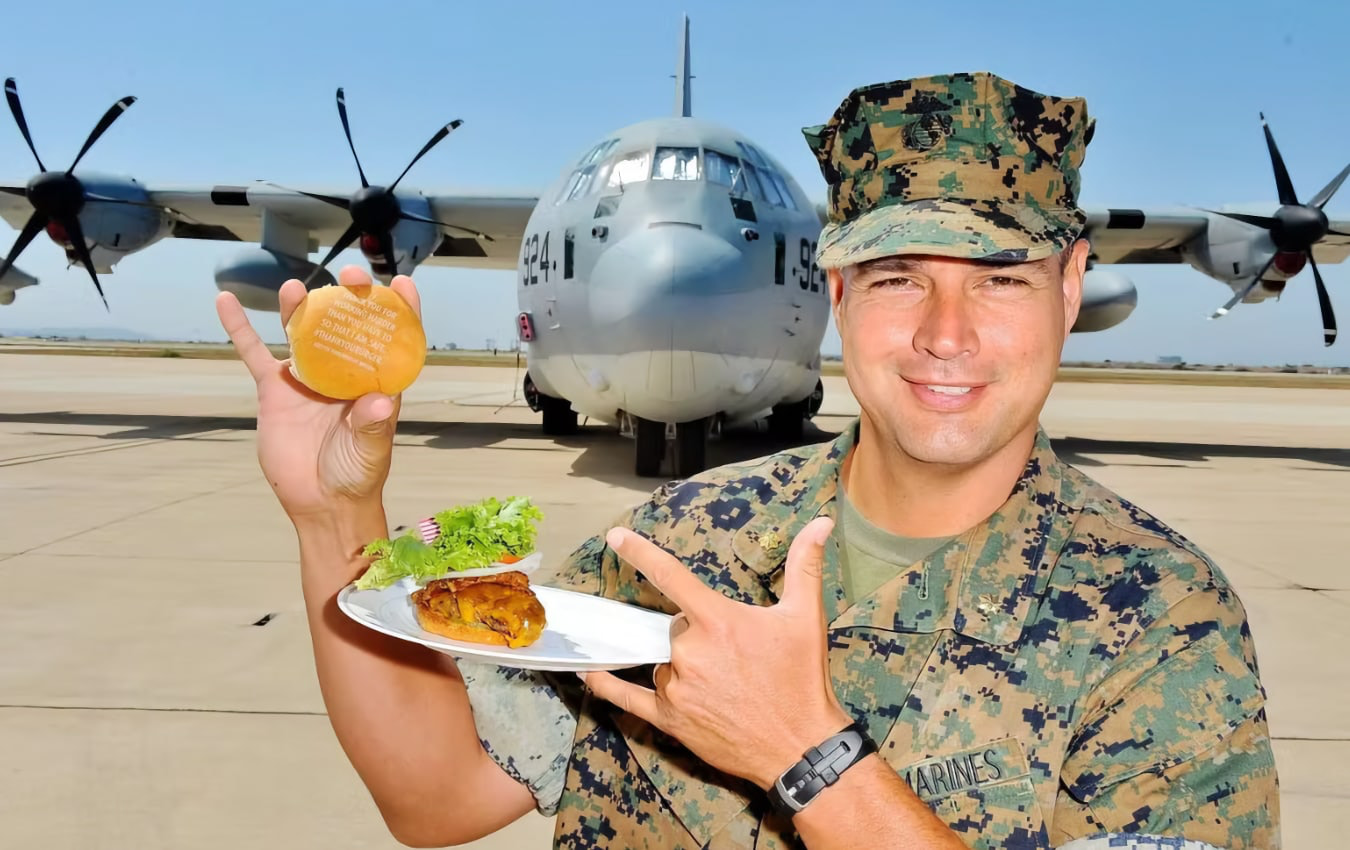
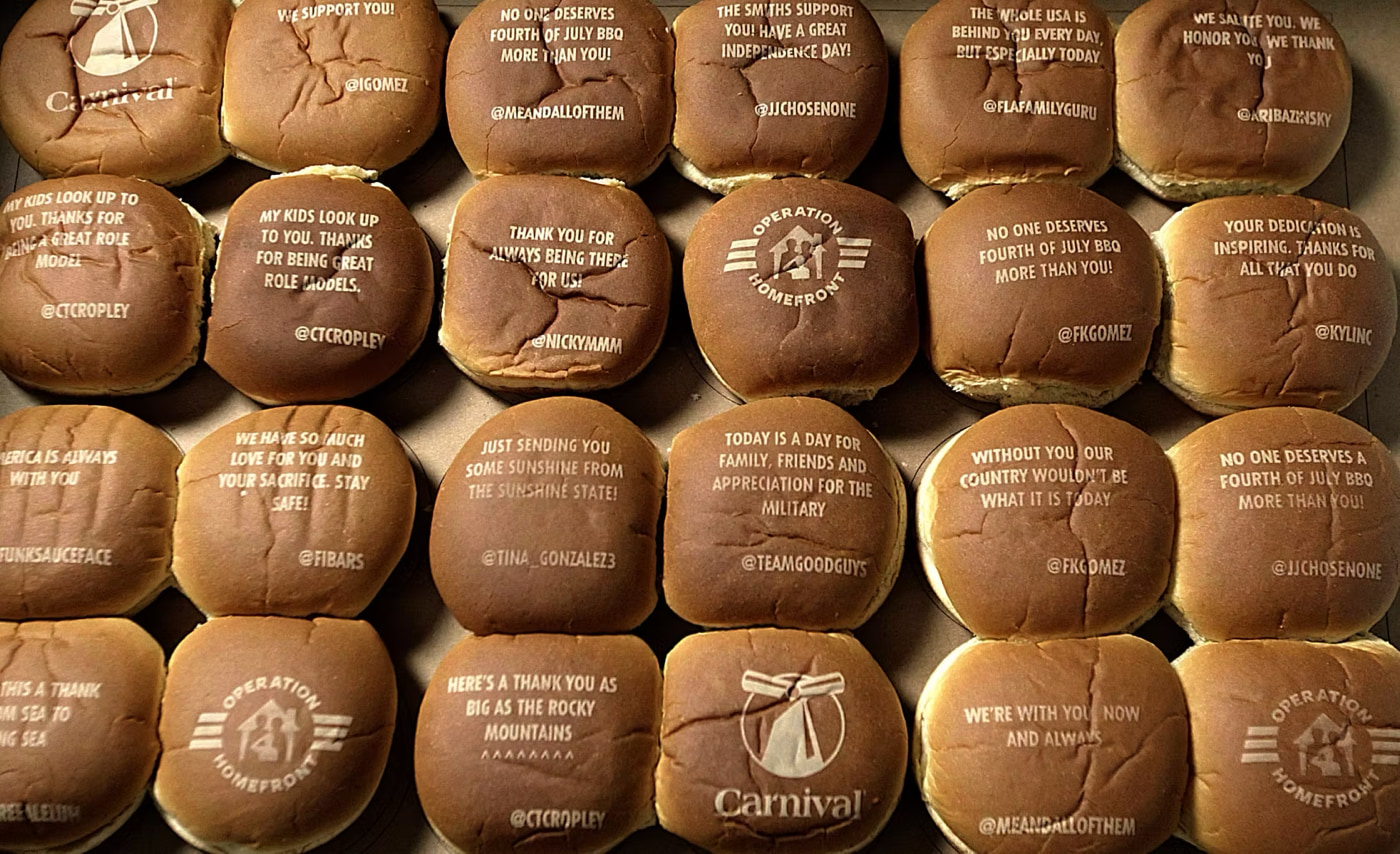
The barbecue was literal. Carnival set one up at Marine Corps Air Station Miramar in San Diego, where messages of gratitude submitted on Twitter, Facebook, and Instagram under the hashtag #ThankYouBurger were burned, by a laser, onto the buns of hamburgers served to American service members. The campaign, developed by Hubert Southall and his team at SapientRazorfish in Miami, called itself the world's first social media powered barbecue. It collected more than 16,000 messages from all 50 states, generated 142 million media impressions, and produced 12 million video views. Engagement ran 2,000 percent above the brand's expectations.
The interesting question, given those numbers, is what Carnival did not spend. The campaign ran on a modest media budget by national-brand standards, and almost every impression was earned rather than bought. The math is the wrong way around from how these campaigns usually work. A typical patriotic spot in 2017 cost more to produce than this one did to produce and distribute combined, and reached fewer people with less feeling.
A piece of that asymmetry came from the press strategy, which is the part of the campaign reporters never see. Trade outlets and national lifestyle desks were briefed early, given access to the technology, and offered the human story behind the build. By the time the burgers were served, the campaign had a media architecture waiting for it. The barbecue produced the moment. The press relations work produced the multiplier.
Guy Fieri also agreed to make a video, which mattered more than it should have. He was not a celebrity endorsement so much as a permission slip. His clip told the audience it was acceptable to take the whole thing slightly seriously, which is a hard thing to ask people to do about a hamburger.
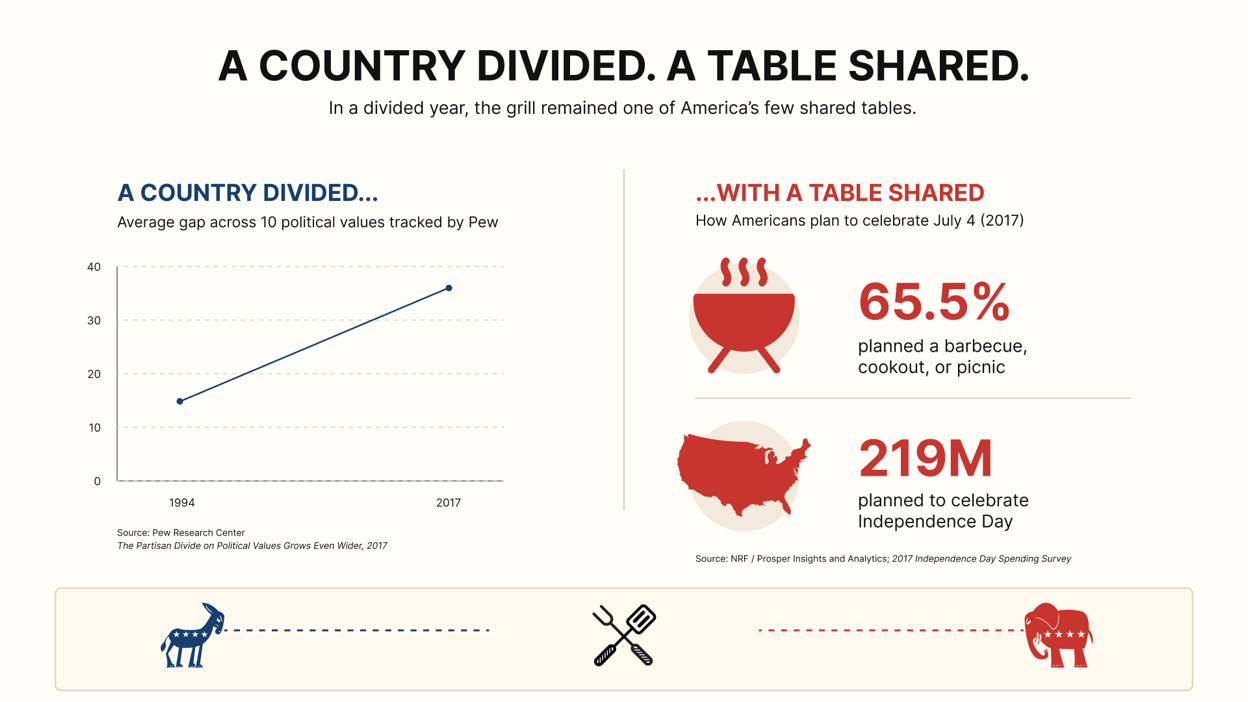
But the deeper explanation has less to do with tactics than with a shift in the market for sincerity. The 2017 Edelman Trust Barometer recorded the largest single-year drop in public trust across its history of measurement, with declines in government, media, business, and NGOs simultaneously. By the summer of that year, audiences had developed an unusually sensitive nose for brand opportunism, especially around the military and the flag. The Pepsi episode was the canary. The default consumer assumption, when a brand reached for national symbols, was that it was reaching for the wallet.
Sincerity, in other words, had become a scarce resource. Scarcity, as any economist will tell you, produces pricing power.
Thank You Burger solved for sincerity the way a marketplace solves for trust: by lowering the brand's role in the transaction. Carnival did not tell the country what to feel about the troops. Southall and his team built a system and let 16,000 strangers tell each other. The brand built a machine, and then it stepped aside. The public supplied the content. A moderator filtered the submissions. The laser etched the words. The Marines ate the burgers. Carnival's name appeared in the press release and almost nowhere else in the experience itself.
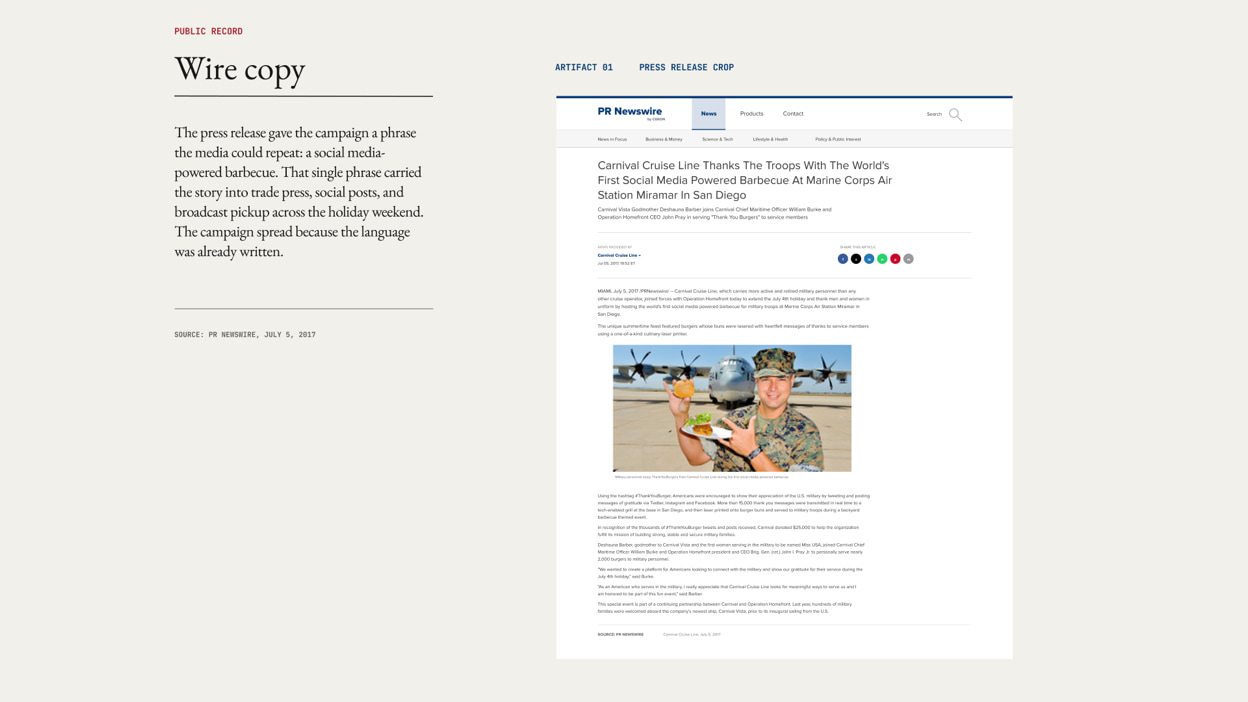
This is the opposite of how brands typically behave during national holidays. The conventional move is to produce a sweeping patriotic film, or write a check and announce the size of the check. Both share a structure: the brand speaks, the audience receives. The brand is the protagonist of its own gratitude. Thank You Burger inverted that structure, and the inversion was the strategy.
The harder implication is what this suggests about the next decade of brand communication. The campaigns that will earn attention in a low-trust market are unlikely to be the ones with the largest production budgets or the most polished messaging. They will be the ones that build the smallest possible stage and hand the microphone to someone else. The cost structure rewards humility. The trust environment requires it.
Carnival did not solve American polarization with a hamburger. No one should claim it did. What it did was something more modest and, in its way, more instructive: it found a structure cheap enough to scale and sincere enough to land. In a market where attention is expensive and trust is scarce, that combination is the whole game.