EVENTS · PRODUCTION · SPEECHWRITING
The Room That Wasn't There
A cancelled conference forced a reckoning with what the event actually was.
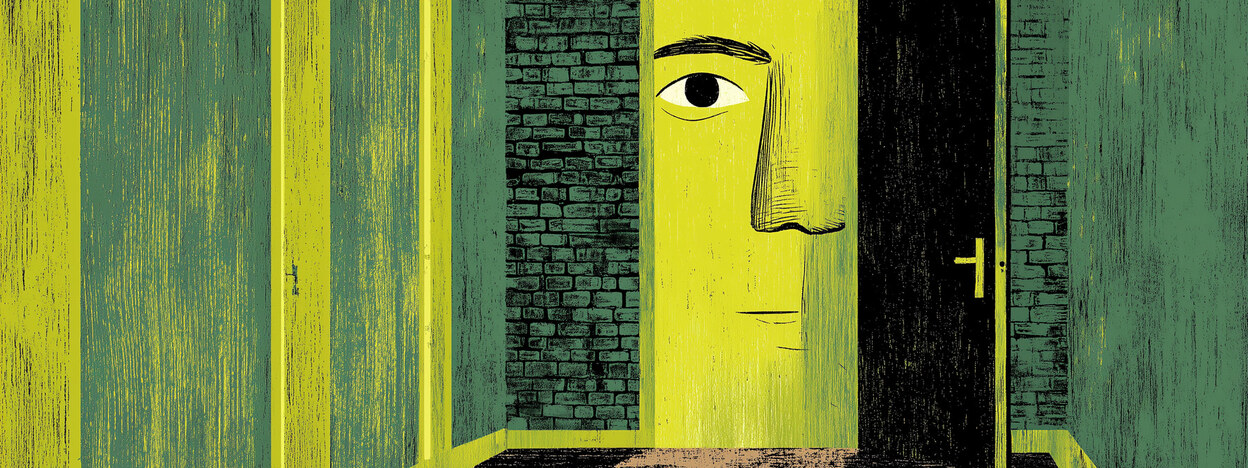
The seating chart was the last thing on Hubert Southall's screen on a Friday in late August, the kind of document you stop really seeing after the fortieth revision: rows, table numbers, a color key for tracks nobody had finalized. He was still working on it when the decision came down. There was no longer a room to put any of it in.
The One Amazon Security Conference was supposed to happen in Seattle: 2,200 people, a $2 million budget, months of logistics behind it. It mattered more than its size suggests, and to understand why, you have to understand that security work is a closed practice by nature. People who find vulnerabilities do not advertise them. Teams guard their methods, sometimes from one another. The result is an organization that can be brilliant in a hundred private rooms and blind across all of them at once. OASC was the sanctioned exception, the one week a year the discipline was allowed, even encouraged, to show its work. It was to Amazon Security roughly what WWDC is to Apple: the stage where a guarded company finally lets itself be seen. By late August, everyone involved had already, in some private way, arrived.
Then COVID-19 returned, or Amazon's response to it did, and the room evaporated.
There were three options, arranged the way options arrange themselves under pressure, from least painful to most. Cancel it. Shrink it into something smaller and survivable. Or rebuild the whole thing virtually, in 58 days, with no budget and no template.
Hubert chose the last one, which was a problem, because he had never project-managed a virtual event in his life. He had two weeks to learn an entire medium from the inside. Broadcast blocks, replay logic, the particular physics of holding attention through a screen, with no time to be a beginner at any of it. First he wrote the document that persuaded leadership to fund ambition rather than retreat.
Underneath the production ran a second job, and it was made entirely of words. The conference had sponsors: SVPs and senior leaders who had attached their names to it and who would stand in front of their own organizations when it aired. A failed event is not embarrassing in the abstract. It is embarrassing in a specific room, in front of the specific people you lead. So every week Hubert wrote to them, a status report that had to tell powerful people the truth about whether the thing would hold, without lying to them and without alarming them into interfering.
In the other direction were the attendees, who had been promised a week in Seattle and were now being offered a month of video, and who had every reason to ignore it. Winning them back was its own campaign, run one message at a time. A conference no one attends is just a schedule.

The building, when it came, was the real work. A conference is not an idea. It is dozens of separate sessions, and every one of them had to clear Legal, clear PR, and then be scheduled, rehearsed, streamed, and made available to watch again. The move to virtual did not shrink the program. It enlarged it. A screen is a harsher venue than a ballroom, attention thinner, and the talks accepted for a four-day event were not enough to carry a longer one. He reopened the call for papers and went looking for more. Then the talks themselves had to be remade, because a presentation built for a stage runs long and loose, and on a laptop it has to be cut down, tightened, rebuilt for a camera and a shorter patience. He produced the keynotes, the sessions on which leadership would be judged. There was no single dramatic moment in any of this. There were a hundred small ones, stacked against a clock.

A conference, done well, is a machine for hiding labor. The ballroom absorbs it. The lanyards and the catering and the ambient noise of 2,200 people convince everyone, including the people who built it, that the event simply happens, the way weather happens. Strip the room away and the machine has nowhere to put the work. You can suddenly see all of it, and see how much of it ran through one person and the two who worked alongside him.
What Hubert understood, and what the communications had to carry, was that the format had changed and the need had not. A siloed organization still needed one place to see itself.
That first virtual year was the proof of concept: 36 sessions, 23 hours of content, produced for nothing. 5,098 views and a 4.7 satisfaction score. The year after, he stopped treating the format as a stopgap and started treating it as a form. Super October ran every workday in October on a premise of something for everyone. A three-person team produced 78 sessions and 52 hours of programming, again on nothing, every session routed through the same approvals and rehearsals and broadcasts as before. 13,200 views, more than double the year before. More than 90 percent of attendees said they had learned something that would help their careers, which is a strange and moving thing to say about a month of webinars.
Then, in 2023, the room came back. Washington, DC. 2,500 people. The lanyards returned.
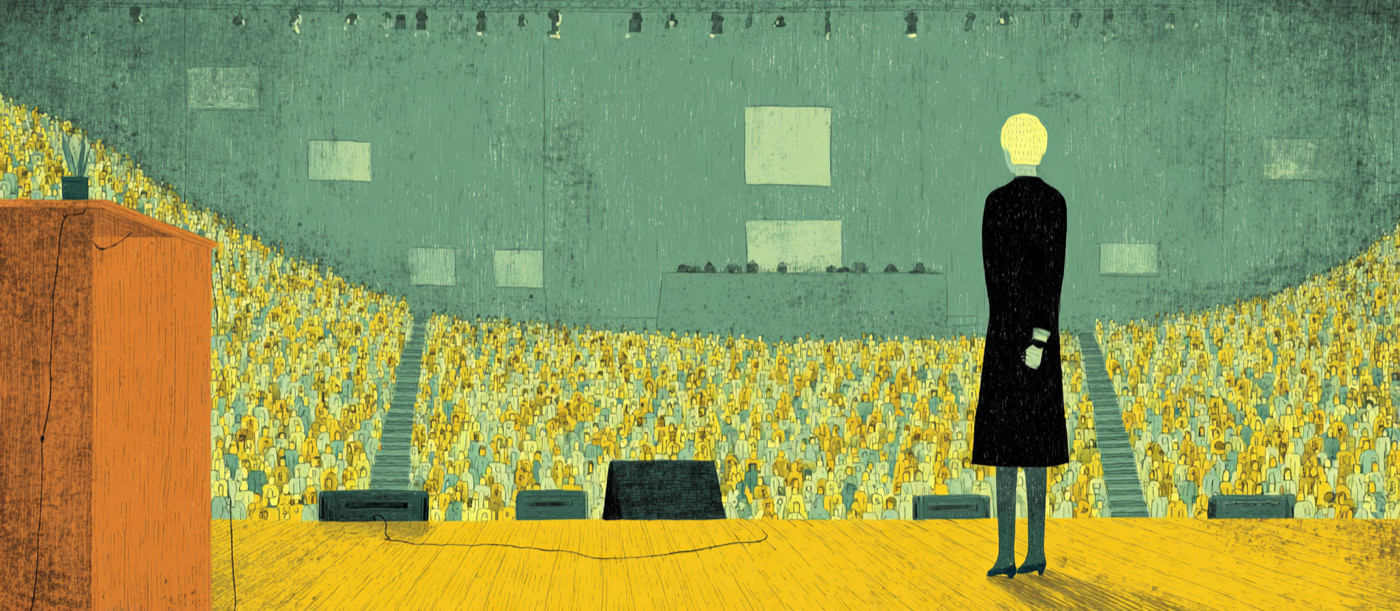
Here the story is supposed to close the loop: the pandemic receded, the natural order resumed. It did not happen that way. The conference came back into a physical room carrying everything the empty years had taught it, and was richer for it, with keynotes and breakouts and lightning talks and workshops and mentorship sessions, a range that existed only because the crisis had forced a question no successful conference bothers to ask. The Slack channel, a logistical afterthought, had quietly grown from 585 members to 1,487, with more than a thousand human conversations inside it. People had not logged off when the broadcast ended. They had stayed, and become the community the room was always meant to produce.
The cancellation did not shrink OASC. It made the work visible. The room had only ever been the place that let everyone forget that.
Hubert did not forget.